Assortment Matching
We map dollhouses, play kitchens, outdoor play equipment, and educational toys to the child's age, available space, and favorite routines.
Families and retail teams often know the child, the room, and the occasion, but still need help turning those details into a toy that will actually be used. Kidkraft services make that decision friendlier: we connect age range, floor space, pretend-play theme, and safety notes into a simple recommendation path.
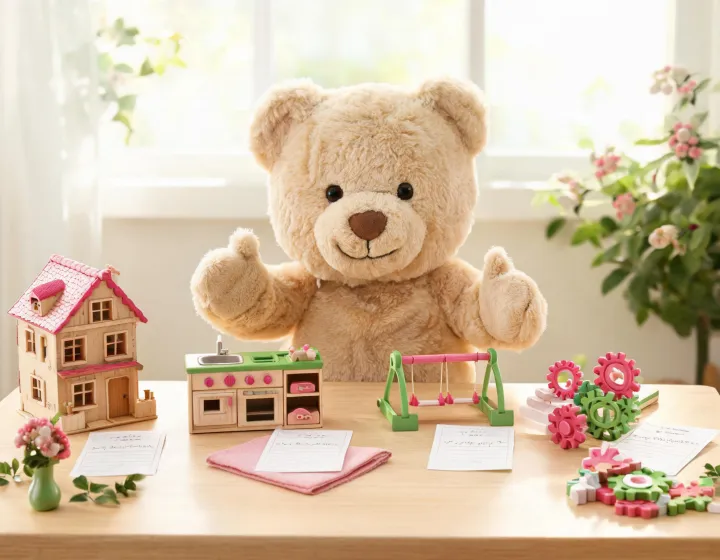
Our support is built around real toy-buying questions: Will this fit the bedroom? Is it right for a toddler or preschooler? Does the child prefer imaginative scenes, active climbing, or hands-on learning? Instead of pushing every family through one product path, Kidkraft treats the request as a play scenario and responds with a focused set of choices.
We map dollhouses, play kitchens, outdoor play equipment, and educational toys to the child's age, available space, and favorite routines.
Product choices are framed with age-grading, material notes, stable setup guidance, and small-part awareness for easier parent decisions.
For birthdays, holidays, and family visits, we help choose a toy that has a clear opening moment and a reason to return later.
We consider footprint, storage rhythm, accessories, and cleanup patterns so the toy can become part of the household, not a one-day surprise.
A good recommendation balances delight with common-sense details. A dramatic dollhouse may be perfect for an older storyteller, while a sturdy play kitchen may better serve a younger child who loves repeating daily routines. Outdoor equipment adds movement, but it needs yard fit and supervision clarity. Educational toys should invite exploration without feeling like homework. These pillars keep advice playful and useful at the same time.
We start with what a child can safely explore now and what they are likely to grow into next.
Room dimensions, backyard layout, and storage needs guide the final shortlist.
Kitchen, mansion, adventure yard, and STEM table are treated as different play moods.
The numbers are simple on purpose. They help shoppers compare products without turning a joyful purchase into a spreadsheet, while still giving enough structure for thoughtful play decisions.
We will suggest a practical Kidkraft direction and explain why it fits the play moment.