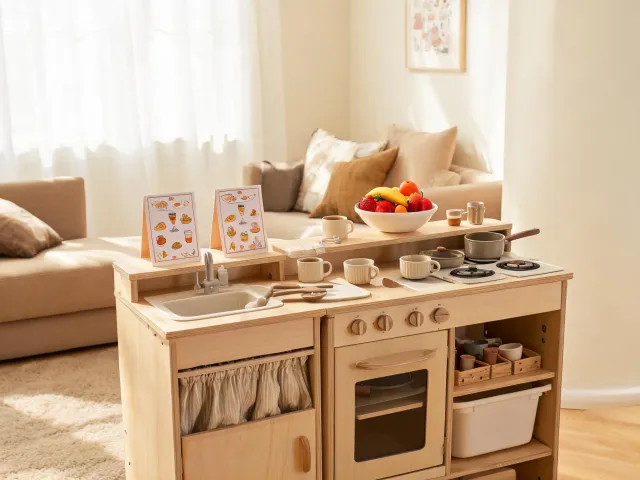
The five-minute cafe
Give the child three menu cards, one customer role, and one job at the counter. They can change prices, ingredients, and names as the story grows.
Use a dollhouse, play kitchen, outdoor set, or learning toy as a small stage. The best activity starts with one role, one choice, and one easy way for the child to change what happens next.
A beautiful toy sits on the shelf after the gift moment.
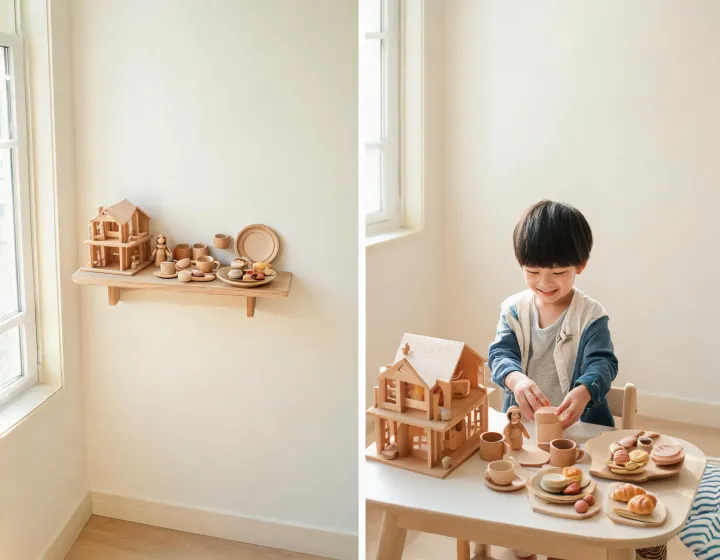
The same toy becomes a cafe, a mansion visit, a rescue route, or a counting game.
Instead of asking parents to invent a full activity, this planner starts with three friendly inputs: age, energy level, and available space. A toddler with low afternoon energy may need a quiet dollhouse room reset. A preschooler with medium energy may enjoy running a pretend grocery counter. A big kid with outdoor space may want an obstacle route, a design challenge, or a family tournament. The structure keeps the activity short enough to start, but open enough for the child to personalize.
The planner also helps gift buyers. If the occasion is a birthday, choose a play idea with a strong first reveal, such as a restaurant opening or a dollhouse move-in day. If the toy is meant for everyday use, choose a repeatable routine that can change names, menus, roles, or missions. Kidkraft play ideas are written to reduce setup pressure while still giving children a reason to return.
Give the child three menu cards, one customer role, and one job at the counter. They can change prices, ingredients, and names as the story grows.
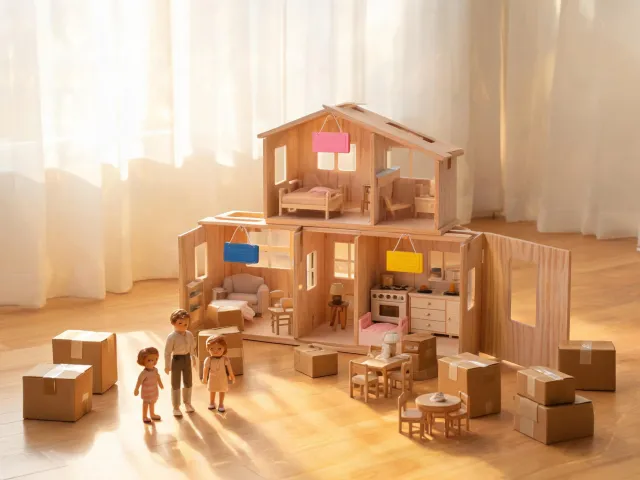
Let the child choose which room each character gets, then ask what every room needs before bedtime. This turns setup into storytelling.
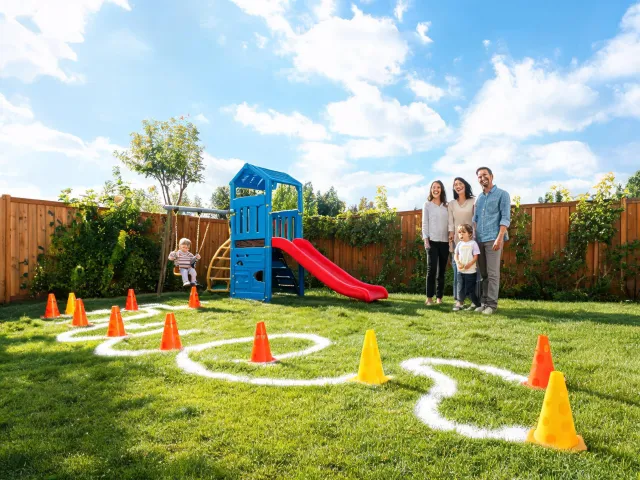
Create a route with climb, slide, carry, and cheer stations. The child can redraw the course when friends or siblings join.
We can suggest a short Kidkraft activity prompt that fits the room, the day, and the child's favorite kind of story.